Everyone Says They Support Local Farms. So Why Don't We?
The uncomfortable gap between what people say they value and how they actually eat, shop and dine.
Read the Article →
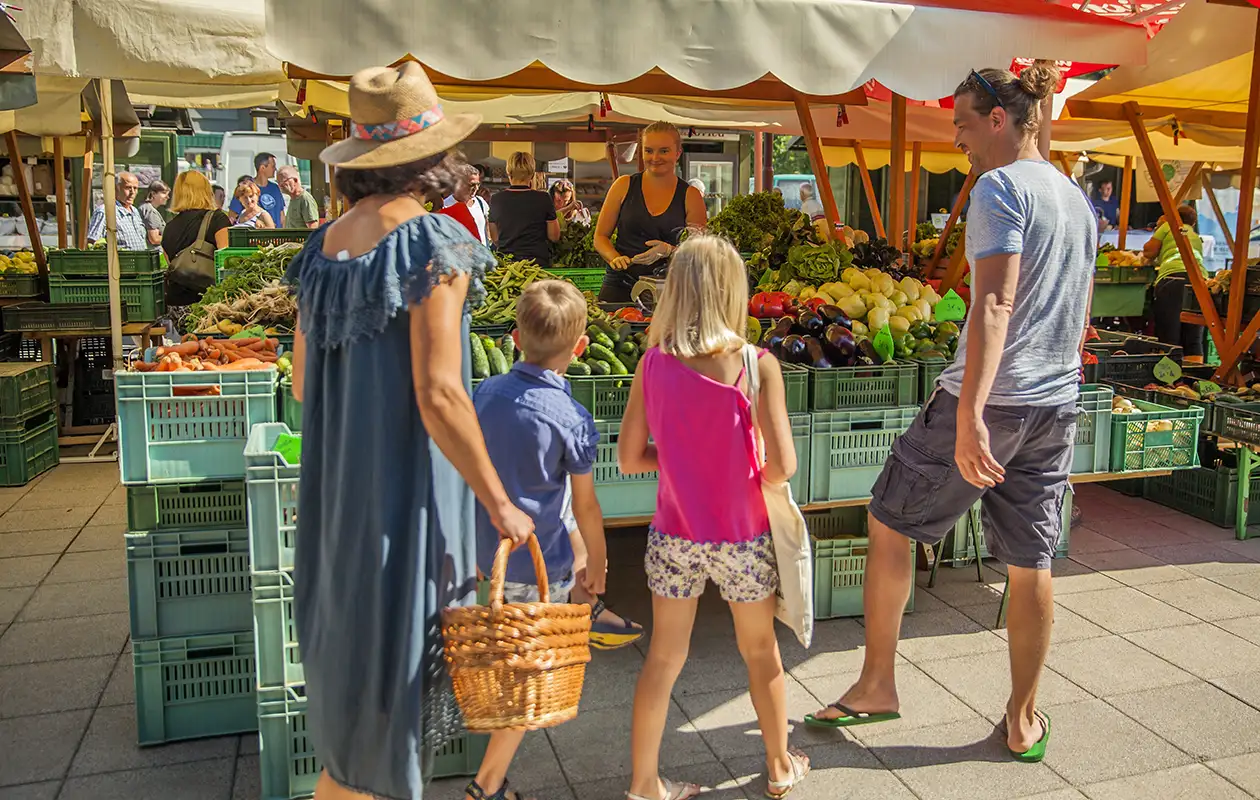
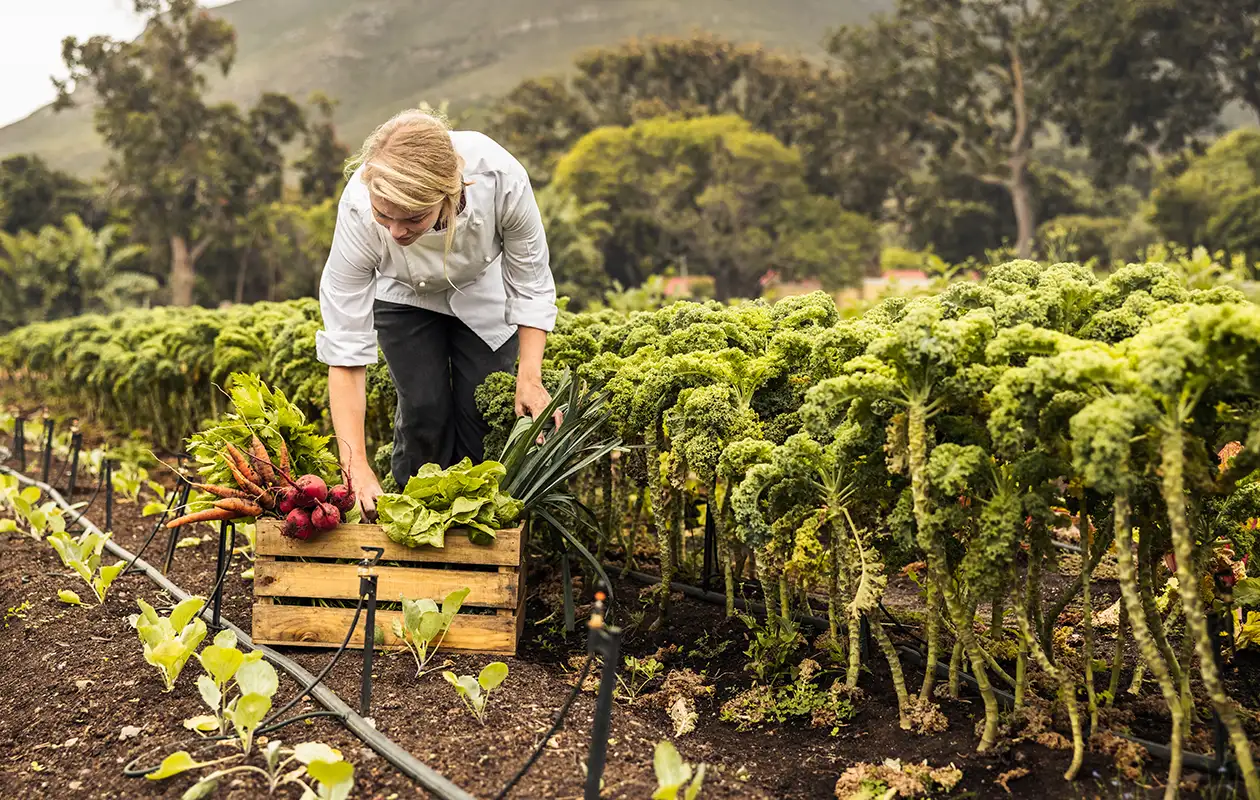
Turning local food values into visible, practical and repeatable participation.
Frank Webb helps guide Cucina di Madre Terra as a platform for local food visibility, producer storytelling, farm-to-table trust and stronger community participation.
After more than four decades working across hospitality, tourism, destination marketing, food and lifestyle brands, his focus with Cucina is increasingly centered on a deceptively simple question:
How do we help people turn their belief in local food into something they actually do?
People already respond to the idea of fresh food, local farms, seasonal ingredients, authentic restaurants and stronger regional food systems. The harder work is turning that admiration into behavior.
Cucina is being built to help close that gap.
Behind Cucina's mission is a personal story of Appalachian roots, family heritage, and a belief that the future of local food begins with reconnecting people to the land, the producers, and one another.
Read the Conversation →Supporting local producers should not remain an idea people admire. It should become a habit communities live.
The future of local food depends on making participation easier, trust stronger and the people behind the food more visible.
Five ideas shape Frank's strategic direction for Cucina and its role in the regional food economy.
Local food does not suffer from a lack of admiration. The challenge is reducing the friction between what people say they value and what they actually buy, cook, visit and choose.
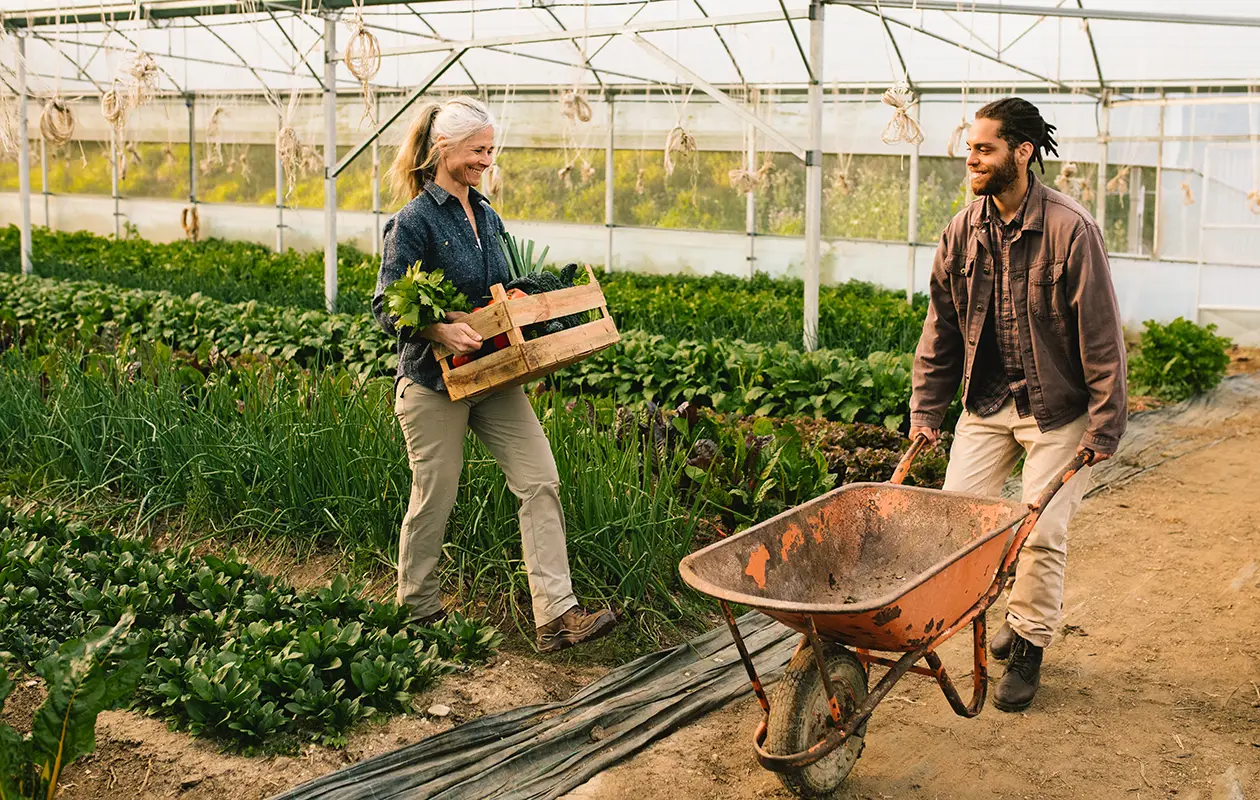
The chef may receive the applause, but the farmer, fisher, grower, rancher, baker or maker often made the moment possible. Visibility creates recognition, trust and economic opportunity.
“Local,” “seasonal” and “farm-to-table” mean more when consumers can see the producer relationships and sourcing practices behind the language.
People repeat what is simple. Local food needs clearer pathways, better discovery, useful seasonal information and practical reasons to return next week.
Food carries agriculture, history, migration, tradition and identity. Producers, markets and restaurants can tell the story of a destination in ways conventional attractions cannot.
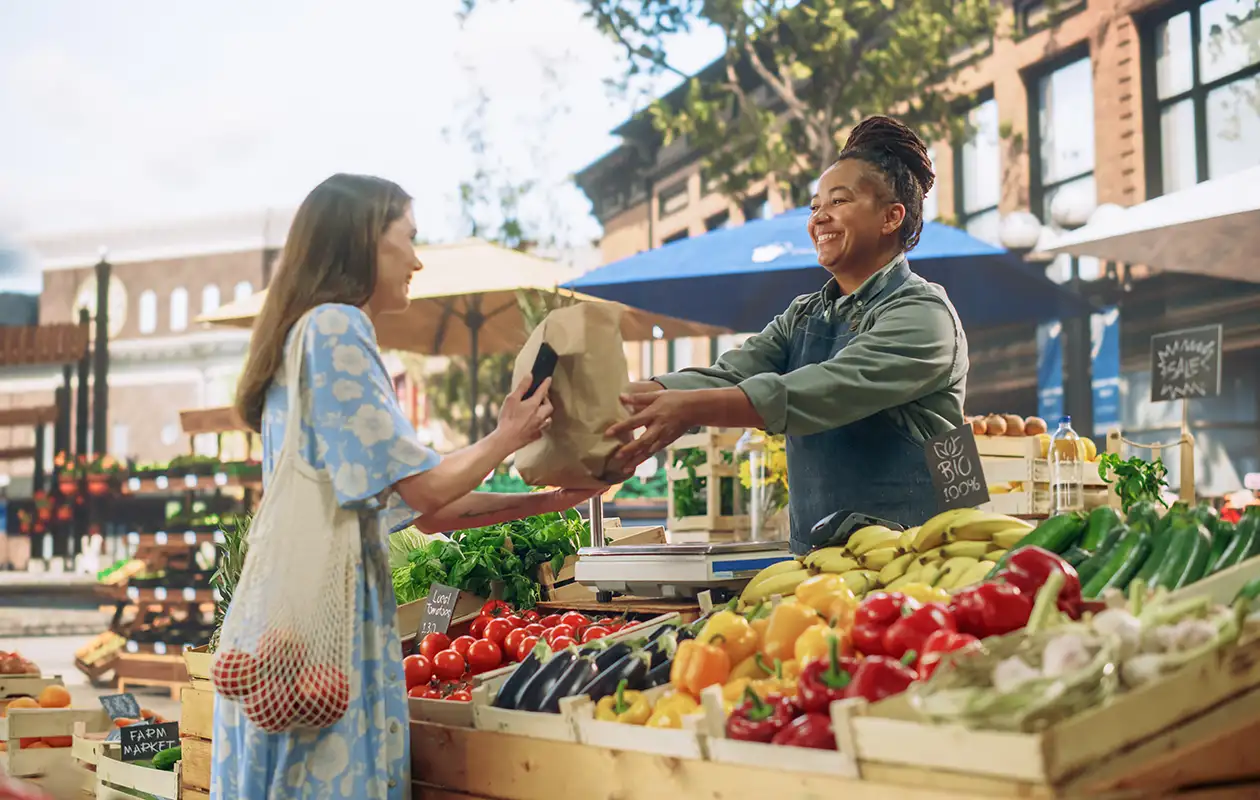
Producers need customers. Restaurants need sourcing relationships. Markets need participation. Consumers need information. Strong food systems connect them instead of treating each as an isolated audience.
People already care about local farms, seasonal ingredients and stronger food communities. But modern food systems have been engineered for ease.
If farm-to-table is going to move beyond admiration, local food must become easier to find, trust, buy, cook and make part of everyday life.
Read the Article →Essays exploring the practical barriers between local-food values and stronger, more sustainable regional food systems.
The uncomfortable gap between what people say they value and how they actually eat, shop and dine.
Read the Article →
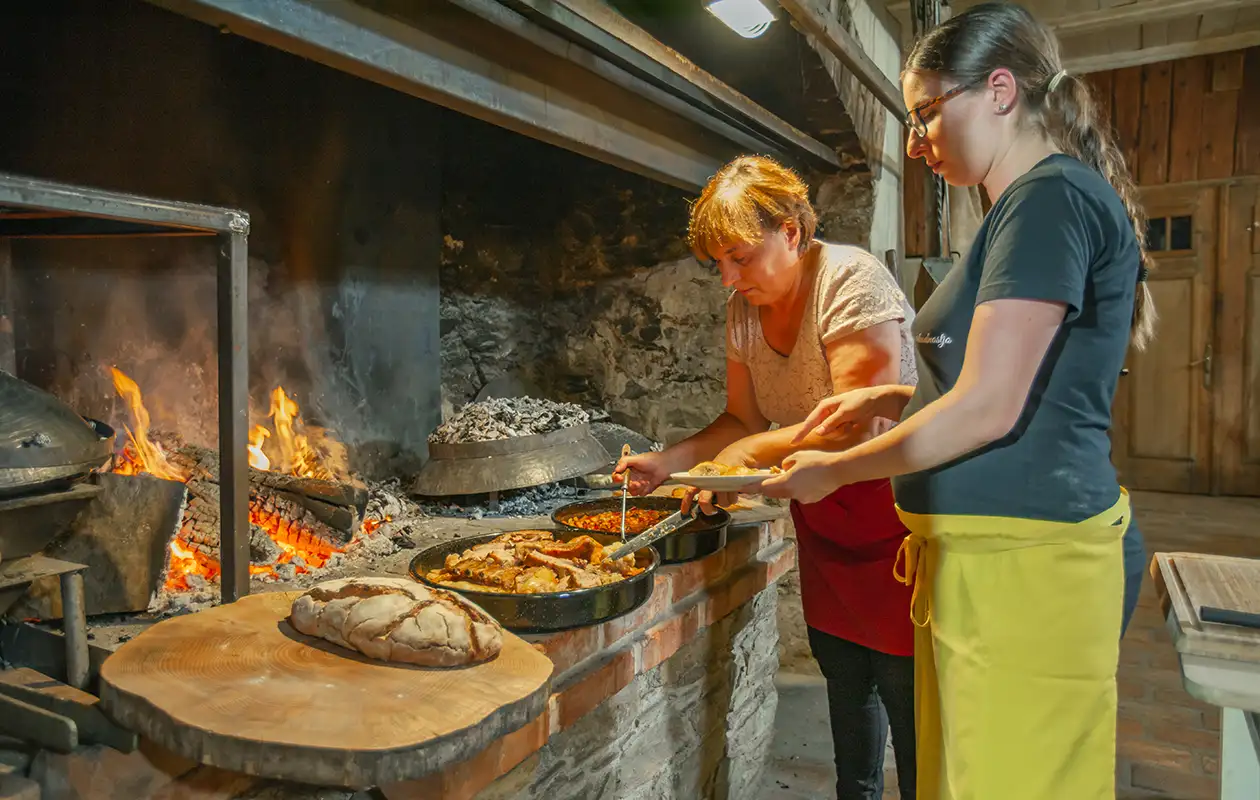
Local food becomes meaningful when it moves beyond special occasions and becomes part of everyday community life.
Read the Article →
Farm-to-table storytelling should make the producer behind the plate as visible as the finished dish.
Read the Article →
The phrase still matters, but its future depends on transparency, producer relationships and sourcing people can understand.
Read the Article →
Growing great food is only part of the challenge. Consumers also have to be able to find, understand and remember the people producing it.
Read the Article →
The future of local food depends on reducing friction and turning scattered admiration into repeatable participation.
Read the Article →Frank's professional background spans more than four decades of hospitality marketing, tourism, destination positioning, brand strategy, direct-response marketing, content development, search visibility and business development.
Through Market Edge Communications and Market Edge 360, that experience has centered on helping places and businesses understand what makes them distinctive, communicate it clearly and build stronger direct relationships with the people they serve.
Cucina applies the same strategic discipline to regional food systems: make the value visible, build trust, connect the participants and create practical pathways for participation.
Marketing, hospitality, tourism, strategy and storytelling.
Connecting regional food culture with destination identity.
Helping people discover and understand who is behind the food.
Moving people from agreement to repeatable action.
Food carries history, family, agriculture, migration, labor, tradition and identity. A producer, market or meal can tell us something about a place that no conventional attraction can.
“Growing food and sharing meals are among the most meaningful things we can do. The goal isn't perfection. It is rediscovering the satisfaction of nurturing something, putting it on the table and sharing it with people we care about.”
Frank's connection to local food is rooted not only in strategy, but in a family tradition of farming, gardening, cooking and gathering around the table.
Cucina turns these ideas into discovery, recognition, storytelling and practical ways to participate in local food.
Stronger local food systems are built one producer, one market, one restaurant, one meal and one repeated choice at a time.
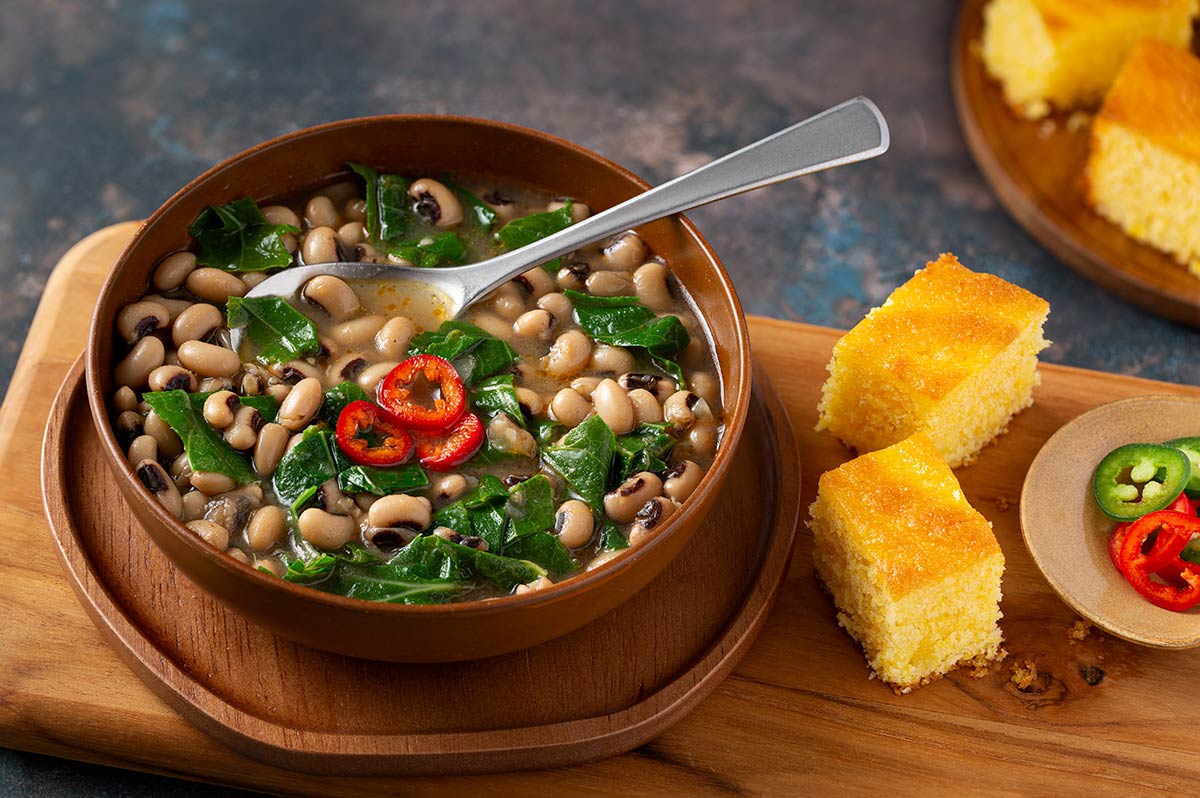
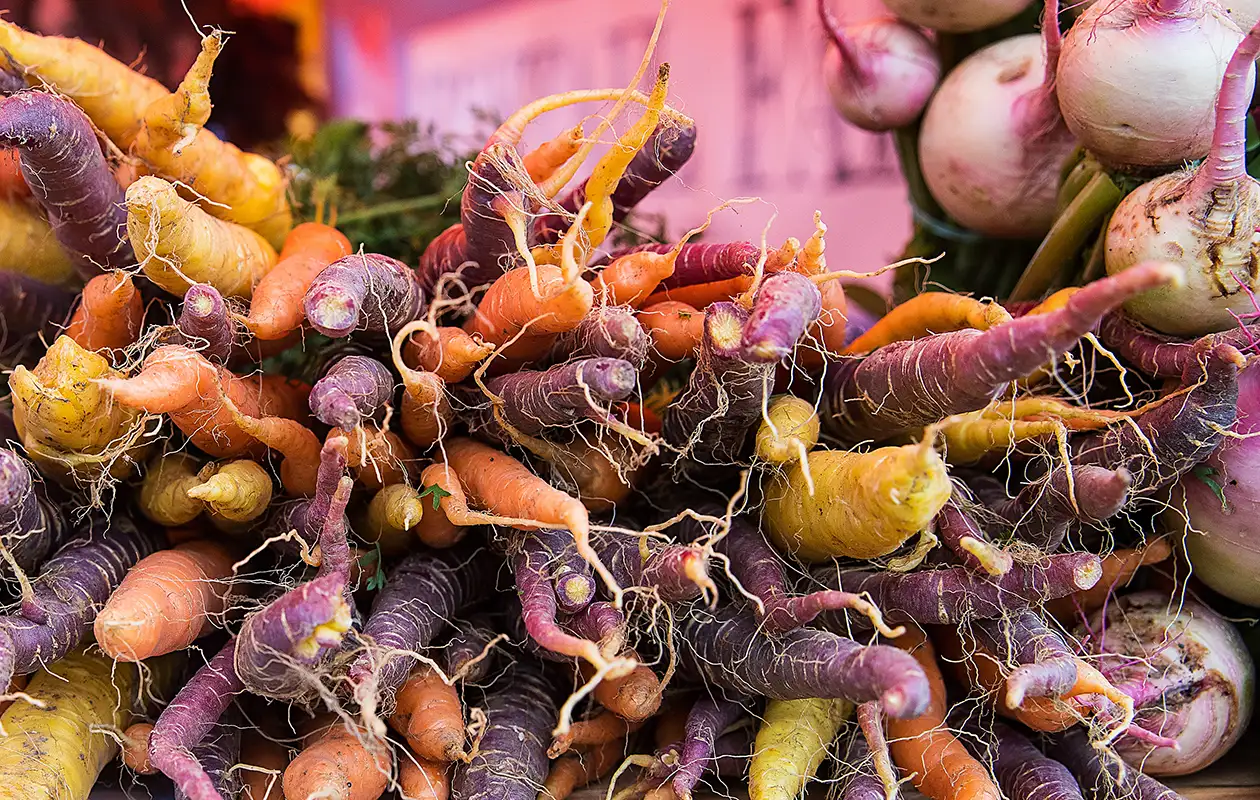
What's in season. Producers worth knowing. Markets to explore. Restaurants, food traditions and places that make the South worth tasting.
Discover what's growing, what's good, who's producing it and where to find it.
Free to subscribe. Seasonal discoveries, local food stories and occasional updates. Unsubscribe anytime.