Cucina di Madre Terra | Local Food Thought Leadership
By Frank Webb, August 10, 2026
The Future of Local Food Producers Isn't on the Farm—It's in Becoming Discoverable
The next generation of successful producers won't simply grow food. They'll build trust, tell stories, and become brands.
Let's get straight to the point.
The future for local food producers is incredibly bright.
But not for everyone.
The producers who thrive over the next decade won't necessarily be the ones with the largest acreage, the newest equipment, or even the best products.
They'll be the ones consumers can find, trust, and remember.
The days of simply growing exceptional food and expecting customers to show up are over.
The era of marketed agriculture has begun.
Growing Great Food Is No Longer Enough
America has no shortage of remarkable producers.
We have farmers restoring soil, fishermen harvesting responsibly, cheesemakers preserving generations of tradition, ranchers raising healthier livestock, and artisans creating products that rival anything found in the world's great food regions.
Yet many of these same producers struggle financially.
Not because their food isn't exceptional.
Because too few people know they exist.
Consumers cannot support businesses they never discover.
That's not an agricultural problem.
It's a visibility problem.
The Biggest Threat Isn't Industrial Agriculture
Many assume the greatest threat to local producers is industrial farming.
I don't.
The greatest threat is invisibility.
Every year, outstanding producers quietly disappear—not because they lacked quality, but because they lacked awareness.
Their websites haven't been updated in years.
Their social channels are dormant.
They don't appear in Google.
They don't appear in AI searches.
They don't build email audiences.
They tell very little of their story.
Meanwhile, consumers spend hours every day searching for exactly what those producers offer.
The demand exists.
The connection does not.
The Winners Will Become Brands
The next generation of successful producers won't think like commodity suppliers.
They'll think like trusted brands.
They will communicate as intentionally as they cultivate.
They'll share the story behind every harvest.
They'll introduce the people behind the business.
They'll explain their growing practices.
They'll educate consumers instead of simply selling products.
They'll produce videos from the field, recipes from the kitchen, updates from the season, and conversations that make customers feel connected long before they ever make a purchase.
People rarely become loyal to commodities.
They become loyal to people.
Consumers Aren't Buying Tomatoes
They're buying confidence.
- Confidence that food was grown responsibly.
- Confidence that their dollars support families instead of anonymous supply chains.
- Confidence that freshness actually means fresh.
- Confidence that "local" is more than a marketing slogan.
Trust has become agriculture's most valuable crop.
The Future Is Direct Relationships
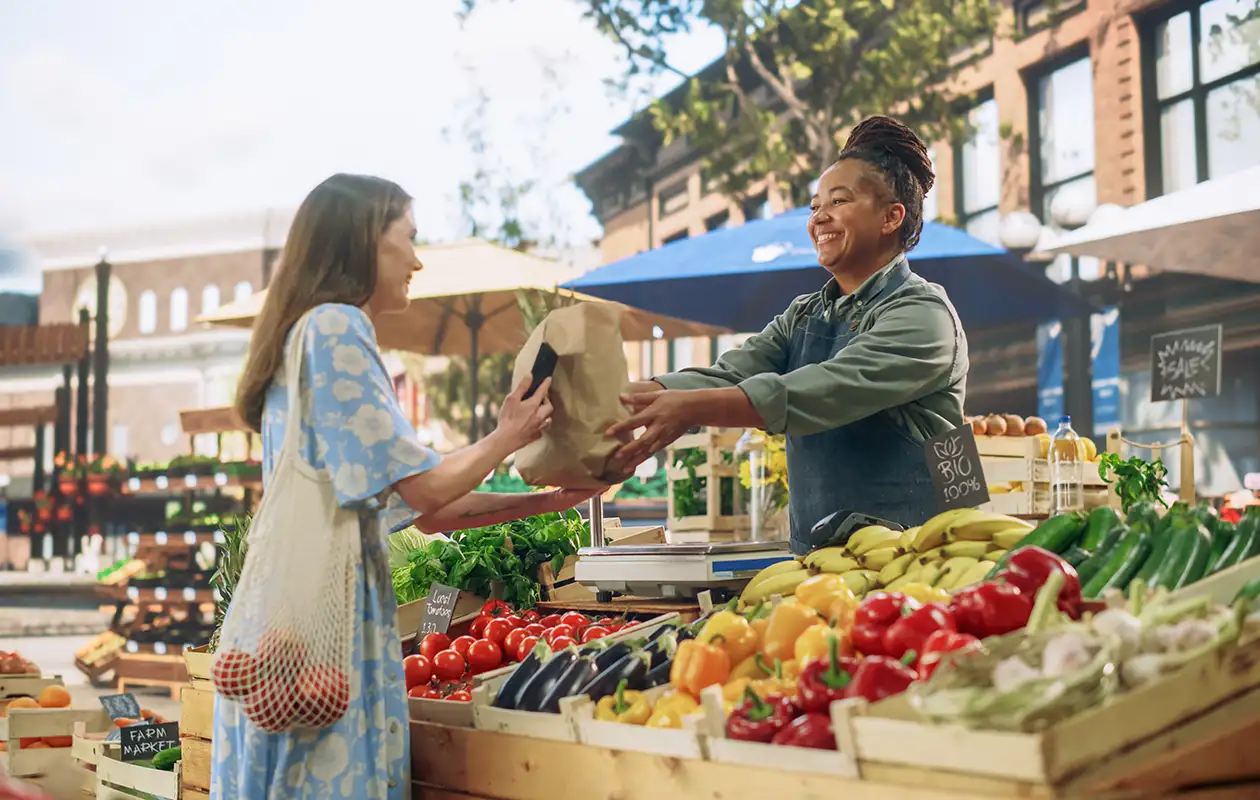
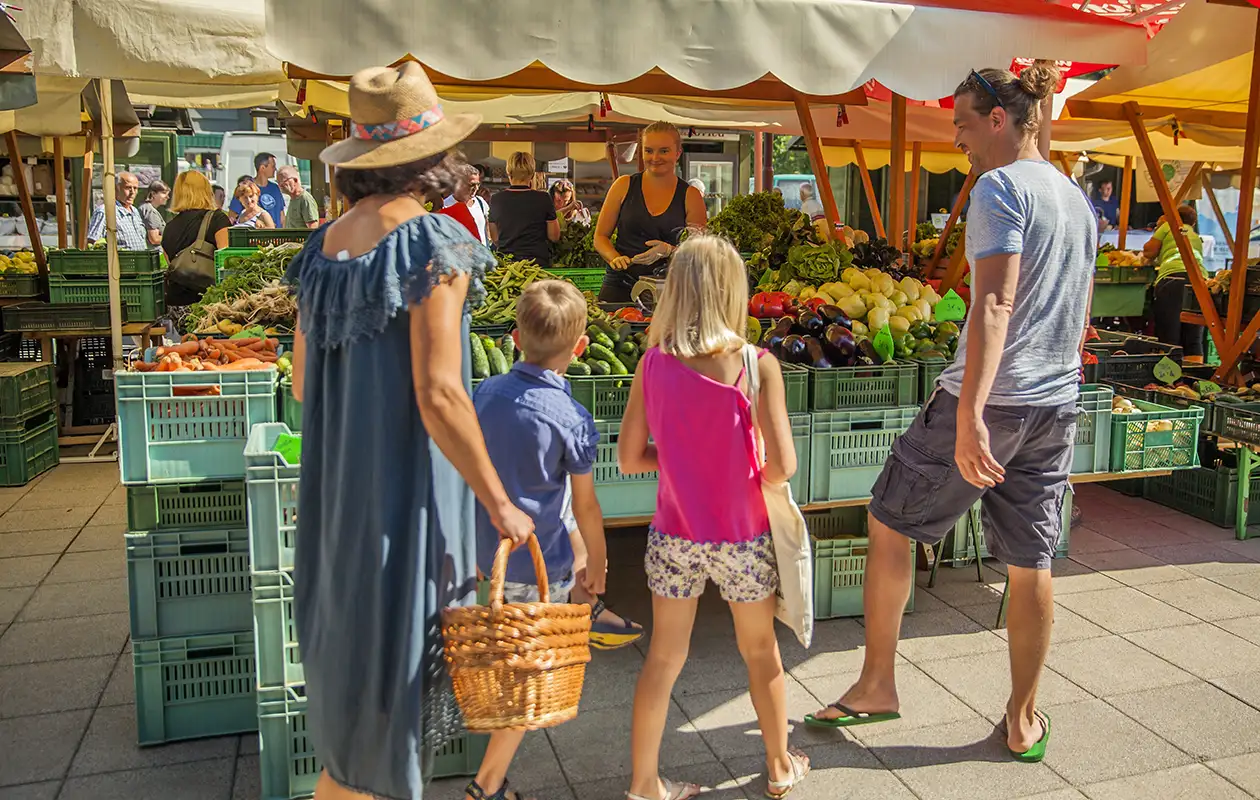
Farmers markets will continue to matter.
Wholesale relationships will continue to matter.
Restaurants will continue to matter.
But none of them should be the producer's only relationship with consumers.
Every producer should be building:
- An email list.
- A community.
- A recognizable voice.
- Consumer trust.
- Long-term relationships.
Every interaction should make it easier for consumers to buy again—not just this season, but every season.
Experiences Will Become Part of the Business Model
The future isn't just producing food.
It's producing experiences.
- Farm dinners
- Harvest festivals
- Cooking demonstrations
- Educational workshops
- Producer interviews
- School visits
- Farm tours
People increasingly want to understand where food comes from.
That curiosity creates opportunity.
When consumers meet the producer, loyalty changes dramatically.
Collaboration Is the Real Competitive Advantage
The strongest local food economies won't be built by individual farms working harder.
They'll be built by ecosystems working together.
- Farmers
- Chefs
- Restaurants
- Breweries
- Fishing guides
- Food artisans
- Tourism organizations
- Schools
- Community organizations
- Local media
Together, they create something no individual business can build—a recognizable regional food economy.
This Is Why Cucina Exists
At Cucina di Madre Terra, we don't believe local food needs another website full of recipes.
It needs stronger connections.
Between producers and consumers.
Between chefs and farms.
Between travelers and authentic culinary experiences.
Between communities and the people who feed them.
Our mission isn't simply to celebrate local food.
It's to strengthen the ecosystem that allows local producers to thrive.
The Bottom Line
The future of local food is not in growing more.
It's in connecting better.
The farms that embrace communication, transparency, collaboration, and modern marketing will have opportunities unlike any generation before them.
Those that continue waiting to be discovered will find the future increasingly difficult.
The opportunity has never been greater.
Neither has the urgency.
"The best food in the world has little value if no one knows where to find it."
The future of local food will not be determined solely by what is grown in our fields. It will be determined by how effectively producers connect with consumers, build trust, and become indispensable members of their local food ecosystem.