
Cucina di Madre Terra | Local Food Thought Leadership
By Frank Webb, May 10, 2026
Local Food Isn’t Losing to Big Food. It’s Losing to Easy Food.
Why the future of farm-to-table depends on making local food easier to find, trust, buy, cook, and celebrate.
People love the idea of local food.
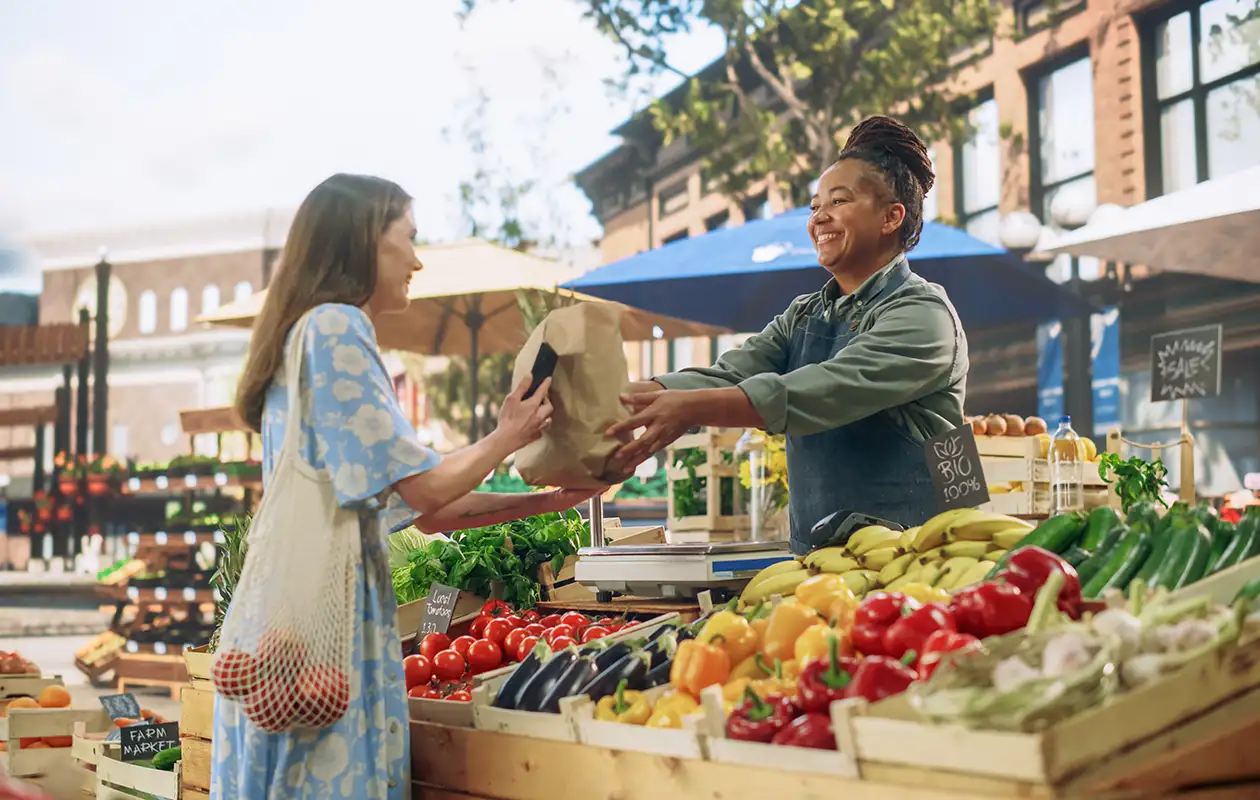
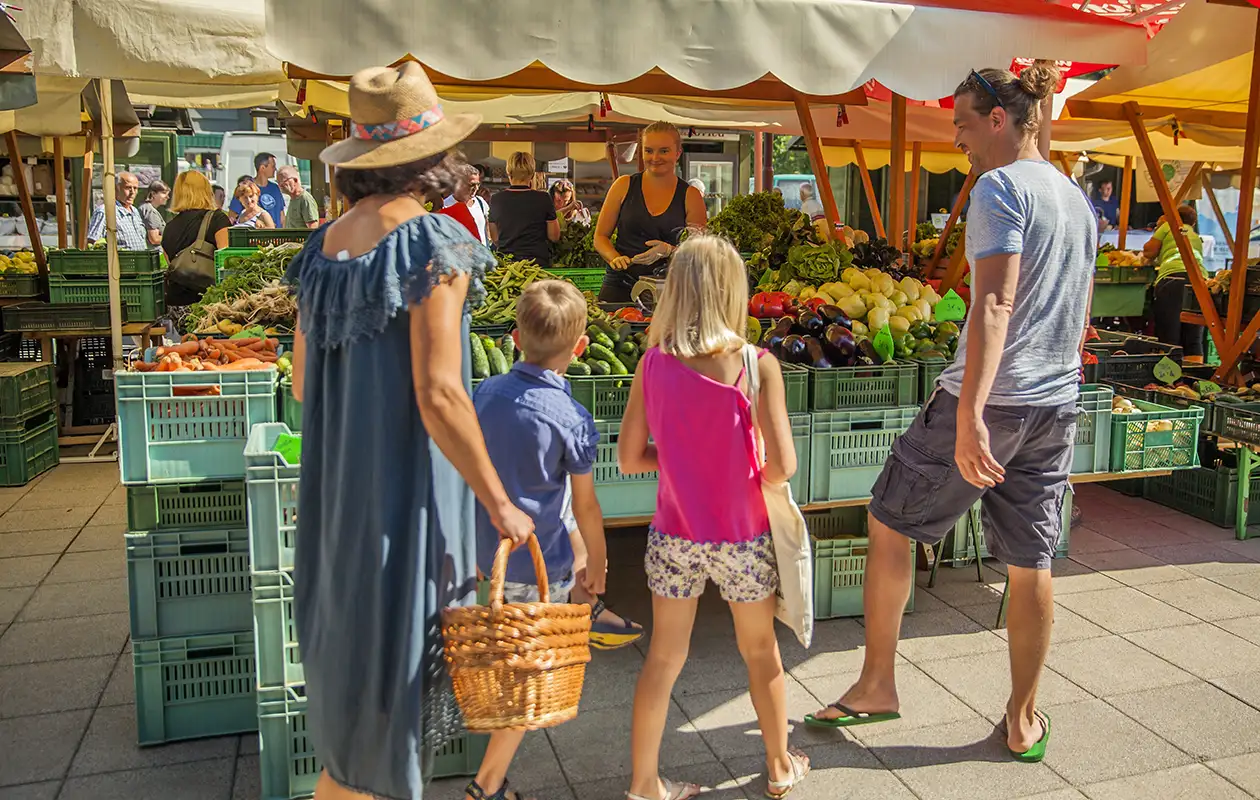
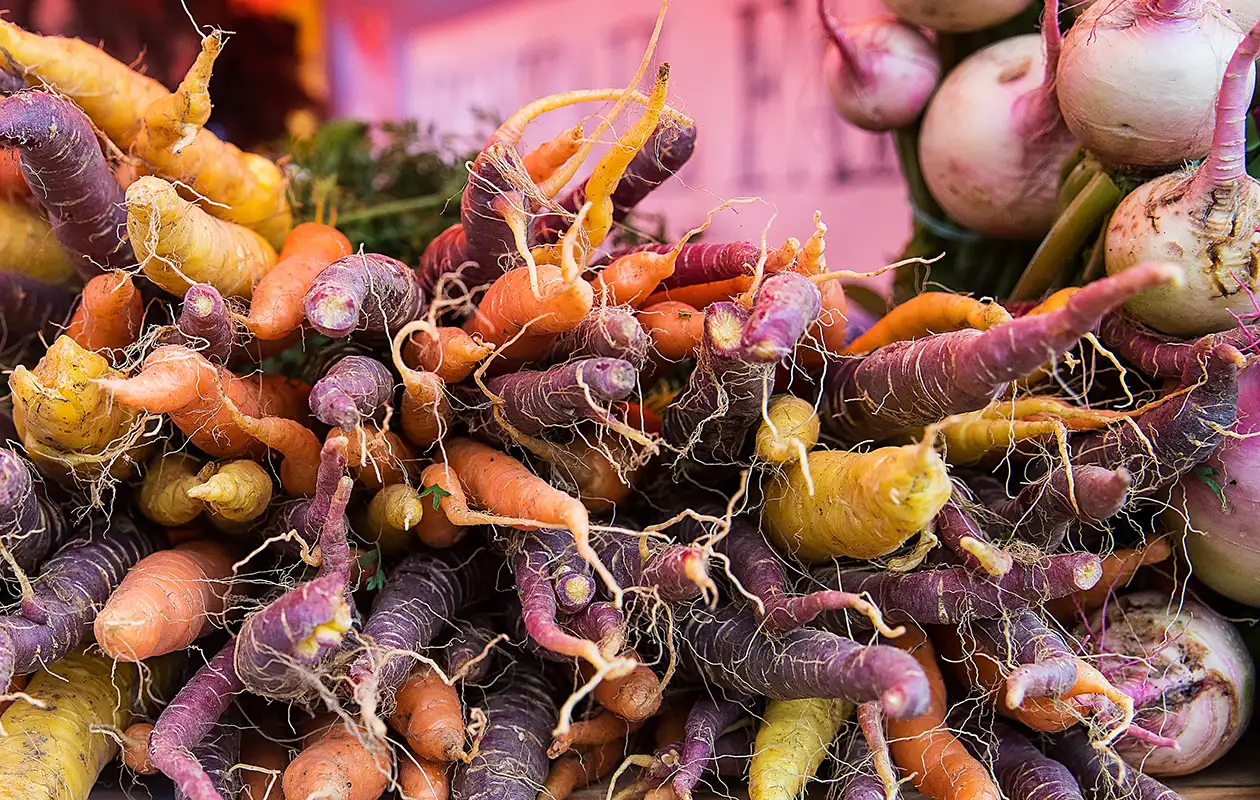
They love the farmer’s market photo. They love the chef talking about seasonal ingredients. They love the story of the family farm, the heirloom tomato, the pasture-raised pork, the hand-harvested greens, the artisan cheese, the honey from a beekeeper down the road.
They say they want to support local producers. They say they believe in farm-to-table. They say they care about fresher food, healthier communities, better farming practices, and stronger local economies.
And in many cases, they truly do.
But then life happens.
Work runs late. Kids need dinner. The refrigerator is empty. The grocery app is open. The familiar restaurant is convenient. The farmers market was yesterday. The recipe feels too complicated. The local producer’s pickup window has passed. The cheaper option is easier to justify.
That is the quiet truth at the heart of today’s local food movement:
Local food is not losing because people do not care. Local food is losing because convenience wins.
And if we want farm-to-table to become more than a beautiful idea, we have to stop treating support for local producers as a moral statement and start treating it as a behavior system.
At Cucina di Madre Terra, we believe the next chapter of farm-to-table must be built around one essential question:
How do we make it easier for people to act on what they already say they believe?
The Problem Is Not Awareness. The Problem Is Friction.
Most people do not need another reason to support local farms, fishermen, bakers, ranchers, growers, cheesemakers, and food artisans.
They already have reasons.
They know local food can be fresher. They know small producers matter. They know restaurants that source locally add character to a community. They know farmers markets help preserve the human connection between land, food, and table.
The problem is that good intentions often collapse under friction.
Local food can be harder to find. It may require planning. It may cost more. It may not be available every day. It may come with unfamiliar ingredients. It may require cooking knowledge. It may require consumers to change routines they have spent years building around speed, price, and predictability.
That friction matters.
A person may love the idea of local produce, but still buy the bagged salad that is already washed, packaged, and sitting at eye level in the grocery store.
A restaurant guest may admire farm-to-table dining, but still choose the place with easy parking, a familiar menu, and a lower price.
A family may want to support local producers, but feel unsure how to turn a bag of seasonal vegetables into three meals everyone will actually eat.
This is where many local food movements lose people.
Not at the level of belief. At the level of execution.
Convenience Is a System. Local Food Needs a Better System Too.
The modern food economy has been engineered for ease.
Big grocery, national distributors, chain restaurants, delivery apps, meal kits, and packaged foods all understand one thing very well:
People repeat what is simple.
They remove decisions. They reduce uncertainty. They create habits. They place the product where the customer already is. They make buying almost effortless.
Local food often works the opposite way.
Consumers may need to know which market is open, which producer is attending, what is in season, how to store it, how to cook it, how much to buy, and whether the price makes sense.
That is too much work for many people, even people who genuinely care.
So the challenge is not just cultural. It is structural.
If we want local food to grow, we need to build better pathways between producer and consumer. We need to make participation easier, more visible, more practical, and more emotionally rewarding.
That is where Cucina sees a major opportunity.
Farm-to-table cannot rely only on passion. It needs infrastructure.
Not industrial infrastructure. Human infrastructure.
Stories. Trust markers. Producer profiles. Market guides. Restaurant recognition. Seasonal education. Community dinners. Ingredient spotlights. Simple recipes. Clear sourcing standards. Better connections between farms, chefs, markets, and consumers.
The future of local food depends on turning scattered admiration into repeatable participation.
“Support Local” Is Too Vague to Drive Action
One of the biggest weaknesses in local food messaging is that it often asks people to support a concept instead of showing them how to take a specific step.
“Support local farmers” sounds good. But what does that mean this week?
Buy one bunch of greens? Choose a local egg producer? Order a farm-to-table entrée? Visit a farmers market? Join a CSA? Ask a restaurant where its ingredients come from? Buy honey from a local beekeeper? Choose a local caterer for an event? Pay a little more for better sourcing?
The phrase “support local” is emotionally appealing but operationally weak.
People need clearer actions.
That is why Cucina’s position is not simply to celebrate local food. It is to help people participate in it.
A community does not become more farm-to-table because people like the idea. It becomes more farm-to-table when enough people make small, repeated choices that move money, attention, and loyalty toward local producers.
The key is not perfection. The key is participation.
Buy one local ingredient. Learn one producer’s name. Attend one dinner. Choose one restaurant with verified sourcing. Tell one friend. Return next week.
That is how habits begin.
The Trust Problem Makes Convenience Even Stronger
There is another reason people default to easy choices: they are not always sure what is real.
The language of local food has been heavily marketed.
“Farm fresh.” “Local.” “Seasonal.” “Craft.” “Artisan.” “Farm-to-table.” “Sustainable.”
These words can be meaningful. They can also be vague.
When consumers are not sure whether a restaurant is truly supporting local producers, whether a product is genuinely local, or whether a premium price actually benefits the grower, trust begins to weaken.
And when trust weakens, convenience wins again.
Consumers may think:
“Is this really local?” “Is this just a menu story?” “Who produced it?” “Where did it come from?” “Does the farmer actually benefit?” “How would I know?”
That skepticism is not a threat to farm-to-table. It is a call for higher standards.
Cucina can help answer that call by making local sourcing more visible, more transparent, and more understandable.
People are more likely to support what they can see. They are more likely to trust what they can verify. They are more likely to remember a producer with a name, a face, a story, and a place.
Farm-to-table needs more proof, not more poetry.
It needs both, certainly. But proof is what moves the movement from image to impact.
The Producer Cannot Remain Invisible
For too long, much of the farm-to-table conversation has centered on the plate.
The restaurant gets the attention. The chef gets the applause. The menu gets the photo. The guest gets the experience.
But behind that moment is a producer who made the experience possible.
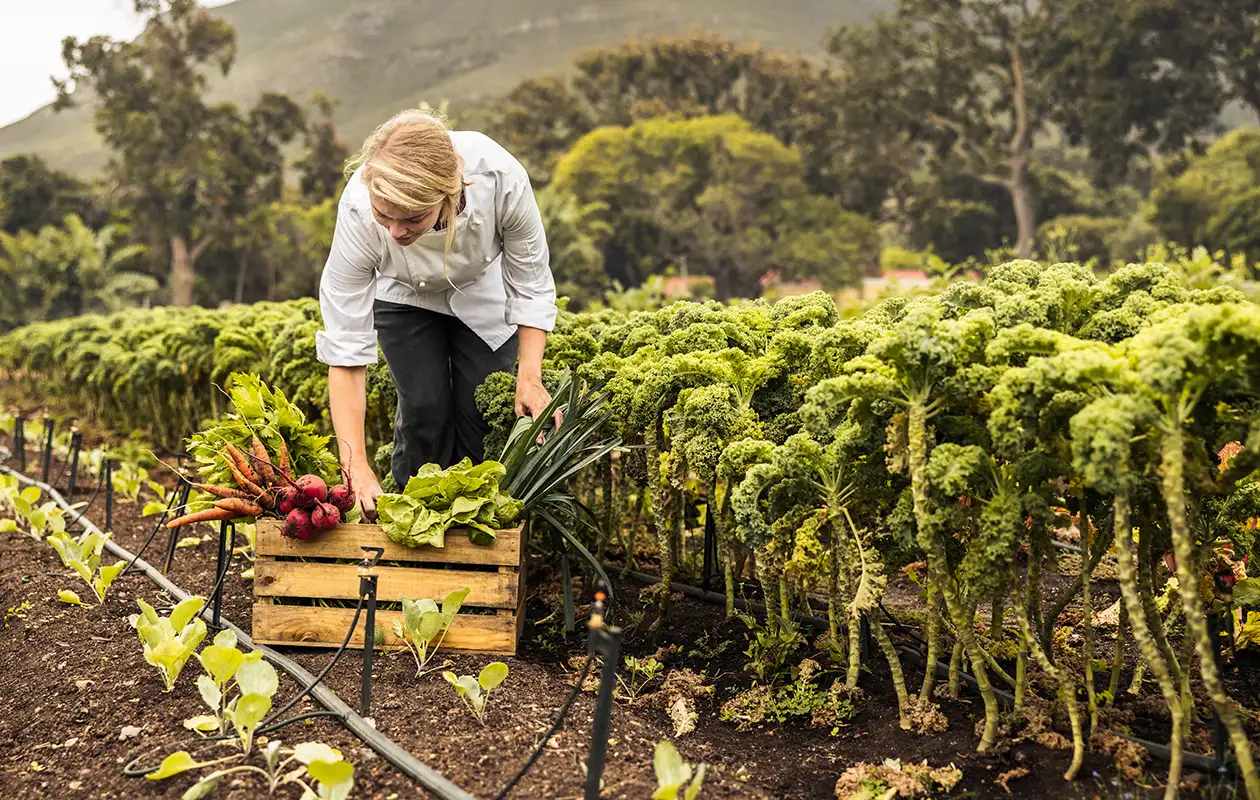
A farmer who worked the soil. A grower who harvested at the right moment. A rancher who raised animals with care. A fisherman who understood the water. A baker who protected a tradition. A beekeeper who followed the bloom. A cheesemaker who practiced patience. A miller, gardener, forager, preserver, or maker whose craft began long before the dish reached the table.
If people are going to support local producers, they need to know who those producers are.
Not as a category. As people.
That is one of the most important emotional bridges in local food.
Consumers may not consistently support “local agriculture” as an abstract idea. But they will support a farmer they know, a family they admire, a story they remember, or a producer whose work becomes part of their own table.
Connection creates loyalty.
Cucina’s role is to make those connections more visible and more durable.
Farm-to-Table Must Become Easier Without Becoming Empty
There is a tension here.
Local food should become easier to access, but not stripped of its meaning.
The solution is not to turn every local producer into a commodity supplier or force small farms to behave like national brands. The solution is to build better community systems around them.
Farmers markets can become stronger storytelling platforms. Restaurants can make sourcing easier to understand. Caterers can design menus around local producers. Community dinners can introduce people to seasonal ingredients. Schools, clubs, destinations, and local organizations can create educational experiences. Consumers can learn how to use what is grown nearby. Media platforms can spotlight producers before they disappear into the supply chain.
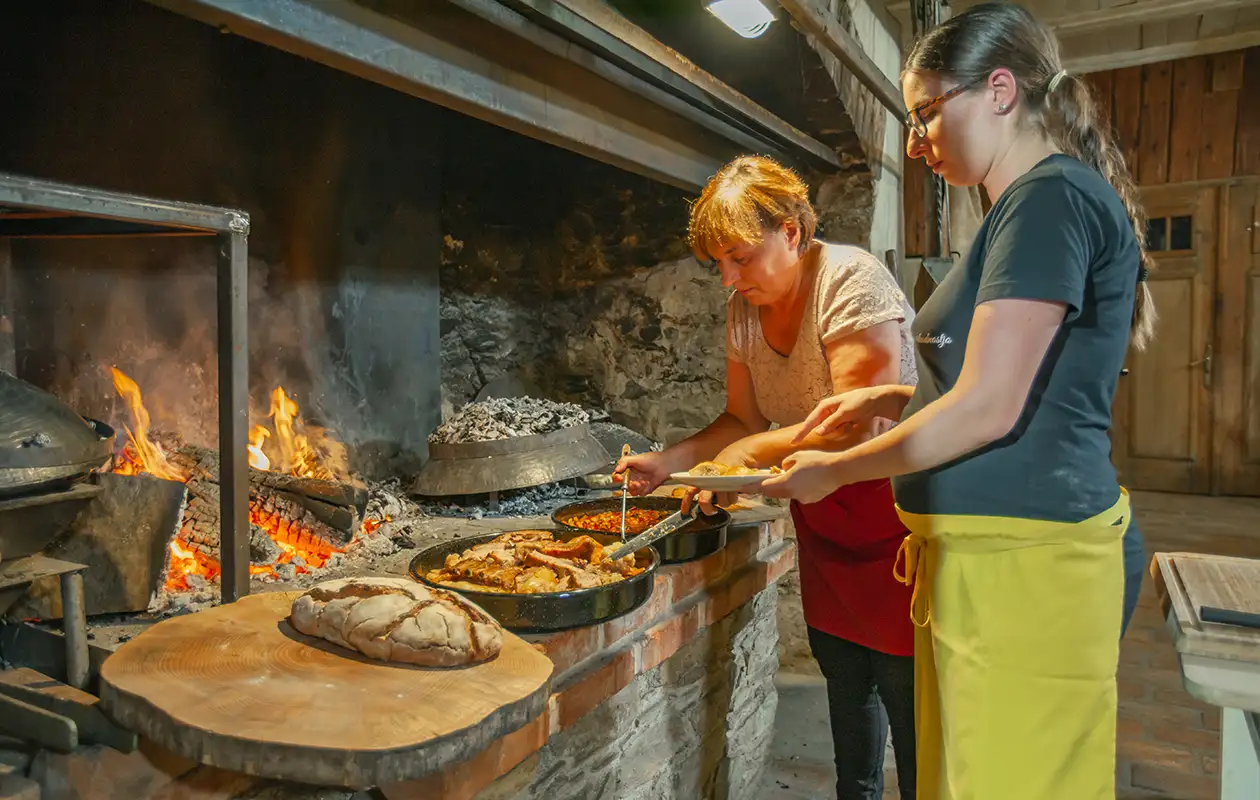
That is where Cucina’s long-table dinners, producer features, farm-to-table recognition, market partnerships, and culinary storytelling can become more than marketing.
They can become behavior design.
They can help make local food feel less confusing, less elitist, less occasional, and more connected to everyday life.
The Real Opportunity: Turn Admiration Into Participation
The local food movement does not need more passive admiration.
It needs more buyers. More diners. More subscribers. More market visitors. More restaurant partners. More producer stories. More verified sourcing. More community events. More simple ways for people to say, “I did something this week that mattered.”
That is the shift.
From believing to buying. From liking to showing up. From praising the farmer to purchasing from the farmer. From admiring the restaurant to choosing the restaurant. From talking about local food to putting it on the table.
This is not about shaming people for falling short. Modern life is busy. Budgets are real. Convenience is powerful.
But if we care about local food systems, we have to be honest about why good intentions fail.
They fail when support is too vague. They fail when access is too hard. They fail when trust is unclear. They fail when producers remain invisible. They fail when local food feels like a special occasion instead of a community habit.
Cucina di Madre Terra exists to help close that gap.
We celebrate the producers, chefs, growers, makers, markets, restaurants, and communities keeping real food culture alive. But celebration is only the beginning.
The deeper work is helping people participate.
Because the future of farm-to-table will not be decided by how many people say they support local food.
It will be decided by how many people make it part of how they live.
Cucina’s Position
Cucina di Madre Terra exists to help turn local food admiration into local food participation. We connect producers, chefs, markets, restaurants, and consumers through storytelling, recognition, education, and community experiences that make farm-to-table easier to understand, trust, and support.