Grow Something.
A garden doesn't have to be an acre. It can begin with a pot of herbs, three tomato plants, a school garden or a shared piece of neighborhood ground.
Grow.
Learn.
Share.
You don't have to be a farmer to become part of the food system.
Local food begins with producers, but it doesn't end there. It depends on people who understand food, value where it comes from and participate in the relationships that keep it alive.
Growing something changes that relationship. A tomato plant teaches seasonality. Herbs teach freshness. A garden teaches patience, weather, soil, abundance and sometimes failure.
Common Ground is Cucina's invitation to participate. Grow what you can, where you can, and understand a little more about the food on your table.

Everyone Can Have a Place in the Local Food Ecosystem.
Start at the scale that fits your life.
Maybe you have acres. Maybe you have a backyard. Maybe you have a balcony, a patio, a sunny windowsill or a few feet outside the kitchen door.
Common Ground isn't about turning everyone into a farmer. It is about reconnecting people with the act of growing food.
Plant something. Learn its season. Understand what it takes to grow. Share what you learn. Then meet the people doing it for your community every day.
Find Your Piece of Common Ground.
Participation doesn't begin with the size of your garden. It begins with planting something.

Grow Something
One herb. One tomato plant. One raised bed. Start with something you actually want to eat.

Small Spaces
Local food can begin in a container. Grow herbs, greens, peppers, tomatoes and more without a traditional garden.

Seasonal Growing
Learn what to plant now, what comes next and how the growing calendar changes across the South.

Community Gardens
Shared gardens create food, knowledge, relationships and places where communities meet.

School + Family
Give children a relationship with food that begins before the grocery store or restaurant.

Seed + Heritage
Seeds carry stories. Discover heirloom varieties and the food traditions they help preserve.
Three Tomato Plants Count.
You don't need a farm. You don't need a large yard. You don't need to grow everything you eat. Growing one thing well is enough to change the way you understand food.
A Little Space Can Grow a Lot of Understanding.
The easiest garden is the one you will actually use. Start with food you enjoy, a space you already have and a project small enough to succeed.
Cucina's growing guides are designed to make participation approachable rather than turn gardening into another complicated hobby.
Start Growing →A Sunny Window
Start with herbs and learn how quickly fresh-picked flavor changes a meal.
A Patio or Balcony
Containers can support tomatoes, peppers, herbs, greens and other foods.
A Small Backyard
A few beds can create a surprising amount of seasonal food.
Shared Ground
Community gardens make growing possible when private space isn't available.
October in the South.
Eating seasonally begins with understanding the growing season. Here's what gardeners across much of the Southeast can be thinking about right now. Local planting dates vary with climate and location.
Leafy Greens
Collards, kale, mustard greens and other cool-weather favorites.
Radishes
Quick-growing and ideal for smaller garden spaces.
Parsley
A useful cool-season herb for beds and containers.
Carrots
Cooler temperatures make fall an important planting season.

Sometimes the Most Important Thing a Garden Grows Is Community.
Community gardens turn shared ground into something productive. They create access to growing space, transfer knowledge, introduce children to food and give neighbors a reason to work alongside one another.
Common Ground will help people discover community gardens, learn from successful projects and share ideas that other communities can use.
Explore Community Gardens →Grow Curiosity Along With the Food.
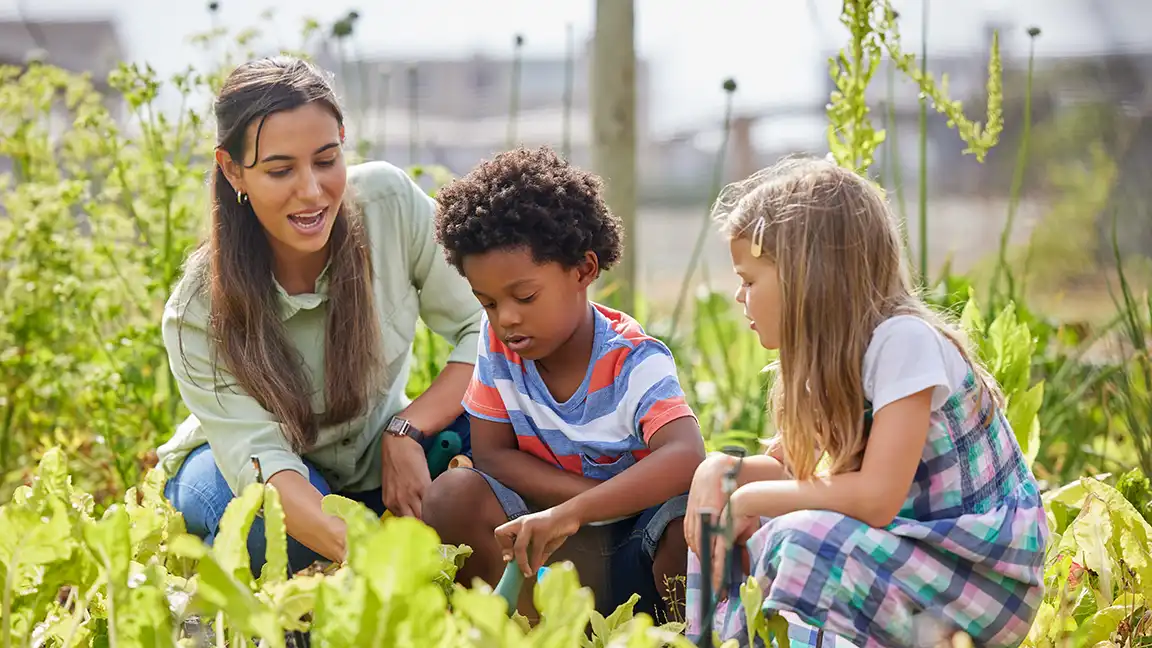
A garden gives children something food education alone cannot: the experience of watching dinner grow.


Some Seeds Carry More Than a Crop.
Heirloom seeds can carry family history, regional identity, migration stories and generations of adaptation to a particular place.
When a seed disappears, we can lose more than a variety. We can lose part of the food culture built around it.
Common Ground connects growing with Cucina's broader work documenting food heritage, producers, traditions and place.
Explore Food Heritage →
Growing Something Changes the Way You See the Rest.
Common Ground isn't a separate gardening project. It is another doorway into the same local food ecosystem.
Grow It.
Experience the season by planting something yourself.
Understand It.
Learn what weather, soil, timing and care actually mean for food.
Appreciate the Producer.
Growing a little makes the work of professional growers easier to understand.
Participate Locally.
Buy from producers, visit markets, eat seasonally and become part of the system around you.
Every Garden Has Something to Teach.
Gardens are about more than instructions. We want to tell the stories of people, seeds, neighborhoods and traditions growing food in interesting ways.

When an Empty Lot Becomes a Place to Grow.
How shared ground can become food, education and community.

Start With Three Tomato Plants.
You don't need a farm to begin understanding where food comes from.

The Stories We Keep in Seeds.
Why saving a variety can also preserve a piece of food culture.

Tell Us What You're Growing.
Common Ground should be built from the ground up. We want to discover the people, gardens, schools and communities already growing food.
Share a garden. Tell us about an heirloom seed. Introduce us to a school project. Show us what you're growing on a balcony, in a backyard or on shared community ground.
Plant Something. Learn Something. Share Something.
You don't have to grow all your food to understand it better. Start with one plant, one season and one connection to the ground.
Grow Something →